From the field / A pre-sale Home Inspection“Free heat” came
with a serious risk.
A homeowner wanted a clearer picture of what needed attention before putting his home on the market. What I found went beyond a seller’s repair list.
He had directed the dryer exhaust into the garage, where his dogs were staying, and described it as “free heat.” His very old furnace wasn’t operating during the inspection. He was relying on an outdoor propane heater inside the home as his main source of warmth.
I understood that he was trying to keep his family warm and manage costs. But an outdoor-only propane heater is not a safe substitute for indoor heating: using it inside can allow deadly carbon monoxide to build up. Dryer exhaust also belongs in a properly installed exhaust system—not redirected into a garage as a source of heat.
What seemed like a way to save money could have put the family’s lives at risk.
I felt nauseated after the inspection. I can’t say what caused that symptom, and it was not a confirmed carbon monoxide diagnosis. The unsafe heating arrangement itself was enough to raise serious concern.
I felt for the family and explained the dangers I had observed. They had asked what needed attention before selling; the most important conversation was about the people living there right then.
This is why I take time to explain findings. Whether you’re buying, preparing to sell, or simply trying to understand your home, I want you to leave with a clearer view of the concerns that deserve attention—and feel comfortable asking for help.
Outdoor heaters belong outdoors.If a CO alarm sounds or you suspect carbon monoxide exposure, get everyone—including pets—outside to fresh air and call 911. Don’t wait for an inspection.
Read CPSC’s outdoor-heater safety guidance Request a Home InspectionFrom the field / Beneath the home
A small detail.
A reason to stop and look.
During another crawlspace inspection, I came across a cord wrapped around a gas line. It was an unexpected finding in a space most homeowners rarely enter—and it immediately caught my attention.
I wasn’t looking at it as just another cord. I was thinking about what might happen if someone caught or pulled it while moving through that tight space. It raised a concern about possible strain on the gas line and its connections, something that deserved a closer look.
Some of the most important details in a home are in the places you rarely see.
Finding that cord did not establish that gas was leaking or that the line was damaged. It was a reminder of why I pay attention to how things are installed and what surrounds them. My goal is to help you recognize concerns, understand why they matter, and know when a qualified professional should evaluate them further.
Let’s take a closer look at your homeThe details behind the decisionLook closer.
Know more.
A Home Inspection reviews visible, accessible roof and exterior components, structure, plumbing, electrical, heating and cooling, and interiors. Here are a few areas where a closer look can change the questions you ask.
01 / Water & moistureA small sign.
A bigger question.
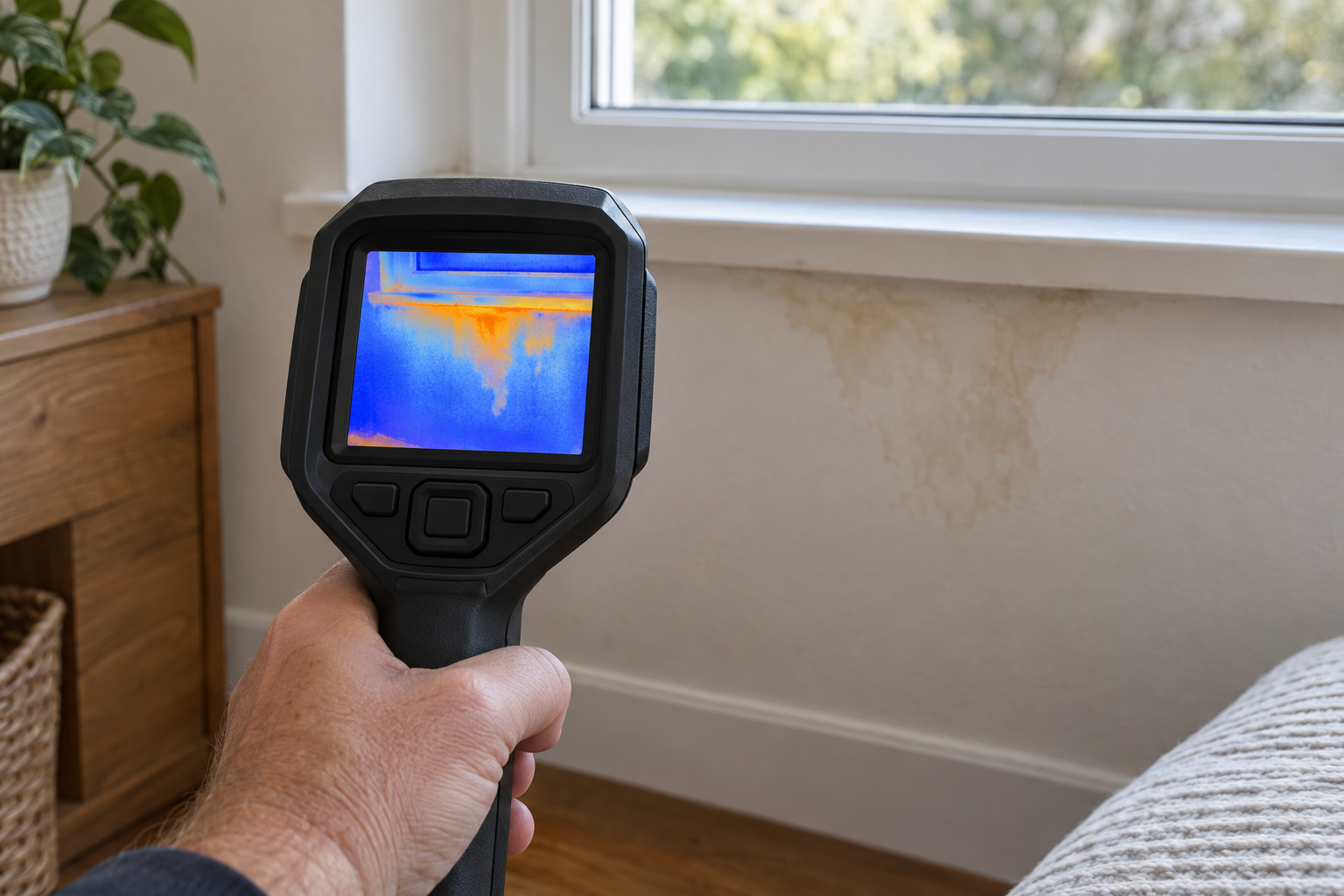
Staining, drainage issues, and unusual surface-temperature patterns can point to an area that deserves investigation. Understanding a possible leak early can help you plan repairs before damage spreads.
Scope & what to know
Thermal imaging helps guide a closer check; it does not see through walls or confirm moisture or mold on its own. Moisture readings or specialist evaluation may be needed. Scope and availability are confirmed before booking.
02 / Roof & exteriorSee the parts
you rarely see.
Damaged shingles, flashing concerns, and poor drainage can affect more than the roof. I look for visible clues that help you decide whether to request a roofer’s evaluation and repair estimate.
Scope & what to know
Ask about drone roof observations where access is difficult. Use depends on weather, visibility, airspace, and safe operating conditions. Imagery cannot reveal concealed damage or replace every hands-on check.
03 / Systems & safetyUnderstand the home
behind the walls.
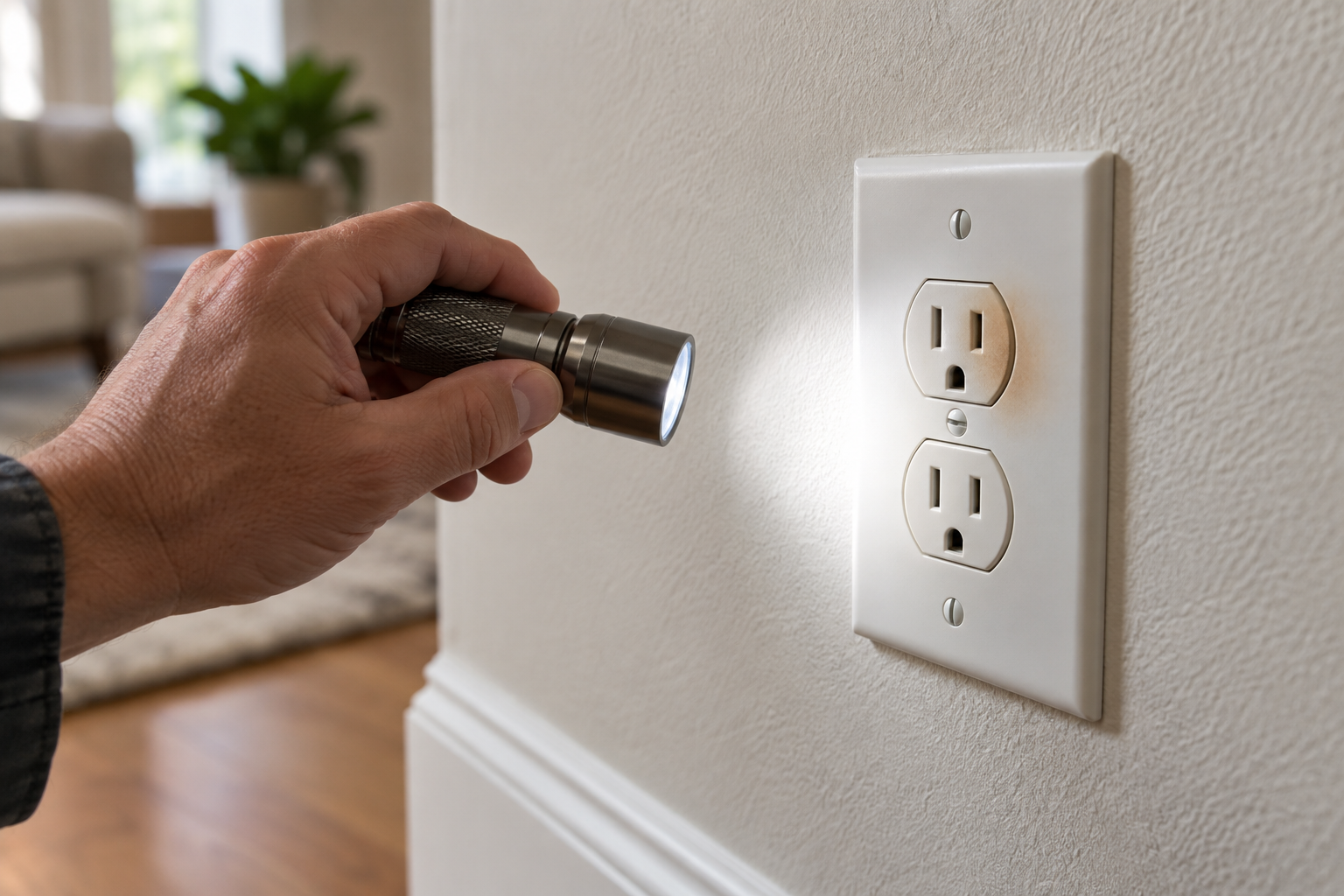
Visible electrical damage, signs of overheating, accessible plumbing concerns, and heating or cooling performance deserve context. My HVAC background helps me explain equipment concerns and what may need further attention.
Scope & what to know
A Home Inspection is limited to visible and accessible conditions. It does not reveal every hidden issue or guarantee future performance. Specialist evaluation may be recommended when the cause or extent of a concern is unclear.